How to Compare Anime and Manga Exhibitions and Pop-Up Stores by Admission Fees, Limited Products, and Viewing Scope
Anime exhibitions and pop-up stores are often announced together during major franchise promotions, making them easy to confuse. Both may feature character displays, exclusive merchandise, and themed decorations, but they are designed with different goals in mind. Choosing between them based only on the event title can lead to disappointment, especially if your priority is seeing original artwork, buying limited-edition goods, or making the most of your budget.
The best way to compare these events is to look beyond the promotional posters. Instead of asking whether an event is an exhibition or a pop-up store, ask what your admission provides, what merchandise is actually exclusive, how much content is available beyond the shop, and whether the event’s entry rules fit your schedule. These details have a much greater impact on your experience than the event name alone.
The Event Name Does Not Always Tell You What Is Inside
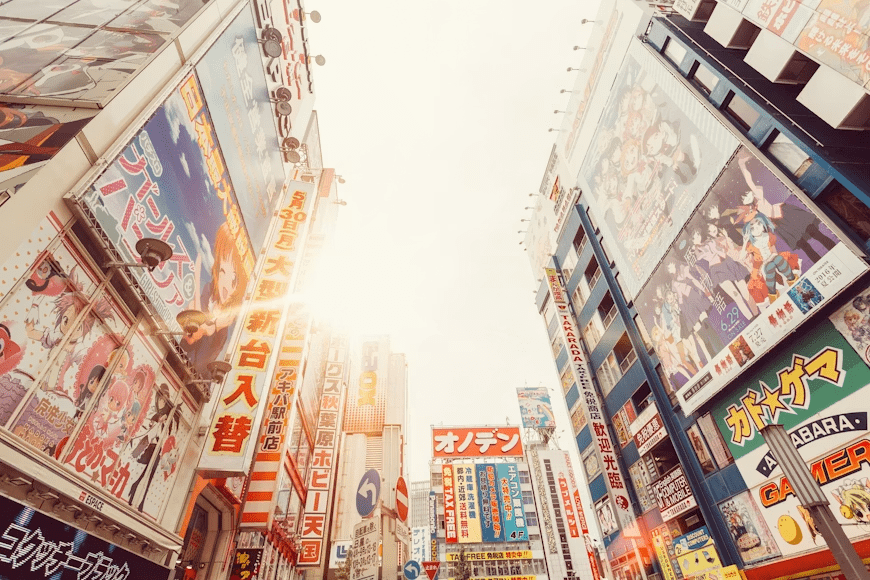
Although exhibitions and pop-up stores have different primary purposes, the line between them has become less obvious in recent years. Many exhibitions include large merchandise areas, while some pop-up stores feature elaborate displays, photo spots, or small gallery sections.
Instead of assuming what an event offers, start by reading the official event description.
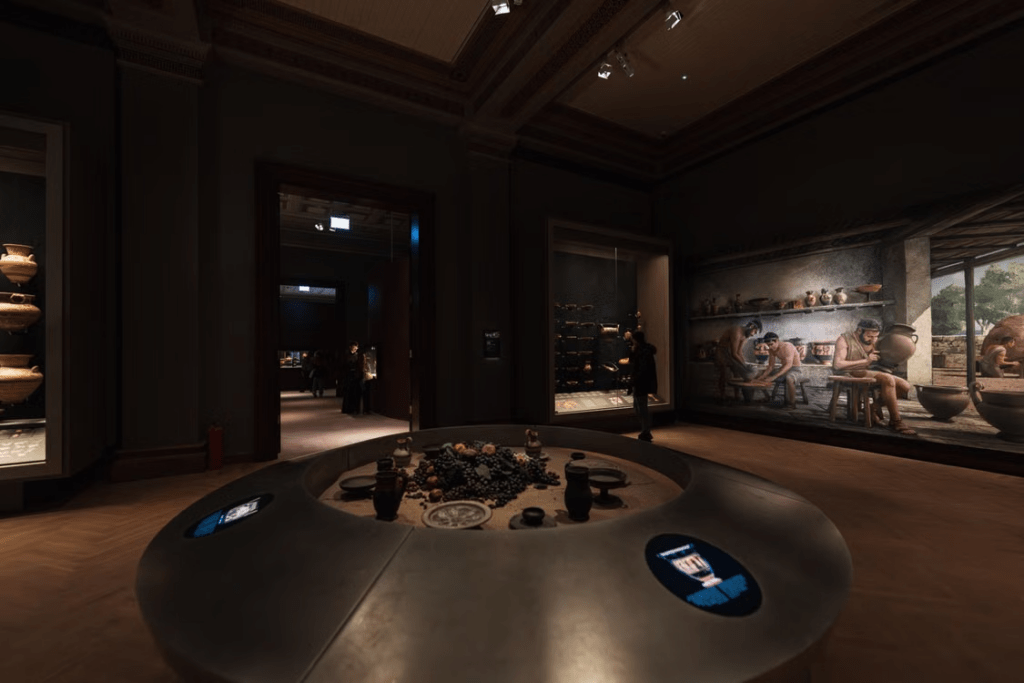
An anime exhibition is usually built around the creative work behind a series. Depending on the event, visitors may see:
- Original illustrations or manga manuscripts
- Animation key frames and storyboards
- Character design sheets
- Production materials
- Behind-the-scenes videos
- Creator interviews or commentary
- Interactive displays or themed installations
These events are designed to provide context about the series rather than simply sell products.
A pop-up store, on the other hand, is primarily a retail event. The main attraction is usually limited merchandise, while decorative displays help create an immersive shopping experience. Visitors often find life-size character panels, promotional artwork, themed photo areas, and product showcases, but the educational or archival content is usually limited.
However, this distinction is not absolute.
Some pop-up stores include mini exhibitions featuring reproduction artwork or character history panels. Likewise, many exhibitions place visitors directly into an official merchandise shop after completing the exhibition route. Looking only at the event title can therefore create unrealistic expectations.
Before deciding whether an event matches your interests, check three basic questions:
- Is the main attraction the exhibition content or the merchandise shop?
- How much of the venue is dedicated to displays rather than shopping?
- Are the exhibition and shop accessible to everyone, or do some areas require an admission ticket?
What the Admission Fee Actually Gives You
Many visitors compare events simply by looking at the ticket price, but admission fees reveal very little on their own. A free event is not always easier to attend, and a paid exhibition may offer significantly more value than the ticket price suggests.
Instead of comparing how much admission costs, compare what the admission includes.
Free Entry Does Not Always Mean Anyone Can Walk In
Many anime pop-up stores do not charge an admission fee, but that does not necessarily mean visitors can enter whenever they want.
Popular events may introduce:
- Advance online reservations
- Timed entry sessions
- Numbered tickets distributed on-site
- Lottery systems during busy periods
- Capacity limits for safety reasons
These systems are commonly used when organizers expect high demand. Even though admission itself may be free, failing to reserve a time slot can prevent you from entering during your preferred schedule.
For this reason, always check the official event page before assuming that “free admission” means unrestricted access.
A Paid Ticket Often Includes More Than Entry
When an exhibition charges admission, the ticket usually provides access to more than just the display area.
Depending on the event, your ticket may include:
- Access to every exhibition room
- Interactive installations
- Video presentations
- Audio or multimedia experiences
- Visitor-exclusive merchandise shops
- Admission gifts such as postcards, clear files, or commemorative booklets
Premium tickets sometimes provide additional benefits, including limited souvenirs or access to special exhibition sections. These benefits vary by organizer, so they should always be confirmed through the official event information rather than assumed.
Limited Merchandise Can Mean Several Different Things
Exclusive merchandise is one of the biggest reasons fans attend anime exhibitions and pop-up stores, but the word “limited” can be misleading. Not every product promoted as limited is available only at the event, so checking how the merchandise will be distributed can help you decide whether visiting in person is worthwhile.
Some items are event-exclusive, meaning they are created specifically for that exhibition or pop-up store and are not planned for regular retail sale. These may include commemorative acrylic stands, anniversary artwork, apparel, or other products featuring event-only illustrations.
Others are early-release items. They appear at the event first but are scheduled to go on sale later through official online stores or retail partners. If your goal is simply to own the product rather than collect a rare edition, waiting for a wider release may save both travel costs and long queues.
It’s also worth checking whether the merchandise is venue-exclusive. Traveling exhibitions sometimes offer different products or visitor gifts at each location, so an item available in Tokyo may not be sold in Osaka or Seoul. Reviewing the official merchandise list before making travel plans helps avoid unnecessary disappointment.
Besides the products themselves, many events distribute visitor gifts or purchase bonuses that cannot be bought separately. These may include admission gifts, random postcards, character cards, or bonuses for spending above a certain amount. Because these benefits are often available only while supplies last or during specific campaign periods, they should not be confused with regular merchandise.
Finally, don’t assume that attending the event is the only way to buy exclusive goods. Some organizers announce official online sales, made-to-order campaigns, or post-event orders after the exhibition begins. Checking whether your target item will remain venue-exclusive or become available later through official channels allows you to choose the most practical way to obtain it.
Purchase Rules May Decide Whether the Visit Is Worth It
Finding the merchandise you want is only part of the experience. Purchase rules vary from one event to another, and they can determine whether you are able to buy the items you came for. Reviewing these rules before your visit helps you avoid unnecessary delays or disappointment.
Many events limit the number of products each visitor can purchase to prevent bulk buying and give more fans a chance to obtain limited merchandise. Restrictions may apply per product, per design, per transaction, or per admission ticket, and organizers may adjust these limits during the event if stock becomes limited.
Access to the merchandise shop may also be controlled. Depending on visitor demand, organizers sometimes use timed shopping sessions, advance reservations, numbered entry tickets, or virtual queues to manage crowds. Even if you already have admission to the event, you may still need to follow separate procedures before entering the shop.
Product availability is another factor worth checking. Popular items can sell out quickly, while restocking policies differ between events. Some organizers replenish selected products, whereas others announce that sold-out items will not return. Criteria for Evaluating Price and Condition When Buying Out-of-Print Manga and Limited-Edition Products Secondhand can help when you need to evaluate a limited item through the secondhand market after official event stock has disappeared.
Match the Event to What You Actually Want to Do
An anime exhibition is generally the better choice if you want to explore original artwork, production materials, creator commentary, or the history behind a series. Even when admission requires a paid ticket, the opportunity to experience content that is rarely displayed elsewhere may justify the cost for dedicated fans.
A pop-up store is often a better fit if your priority is purchasing exclusive merchandise, collecting event bonuses, or visiting a themed space inspired by your favorite characters. These events usually require less time to explore and are ideal for visitors who are more interested in shopping than viewing exhibition content.
If an event combines both an exhibition and a merchandise shop, compare what each ticket includes before making your decision. Check whether access to the shop requires an admission ticket, whether the products you want are truly event-exclusive, and whether purchase limits or reservation systems apply.
The best event is not necessarily the one with the most displays or the largest merchandise selection. It is the one that matches your interests, budget, and the experience you want to take home.