Criteria for Evaluating Price and Condition When Buying Out-of-Print Manga and Limited-Edition Products Secondhand
An out-of-print label does not automatically make a manga volume valuable, and a high asking price does not prove that collectors are willing to pay it. Before buying, confirm exactly what the item is, compare completed sales for genuinely similar copies, inspect its condition and included components, and calculate the full delivered cost.
The safest approach is to set a maximum price before contacting the seller. That limit should reflect the item’s edition, completeness, physical condition, transaction risk, and your reason for buying it—not the highest listing currently visible.
Confirm the Exact Edition Before Comparing Prices
The first task is not deciding whether the item looks clean. It is verifying that the listing is for the edition you actually want.
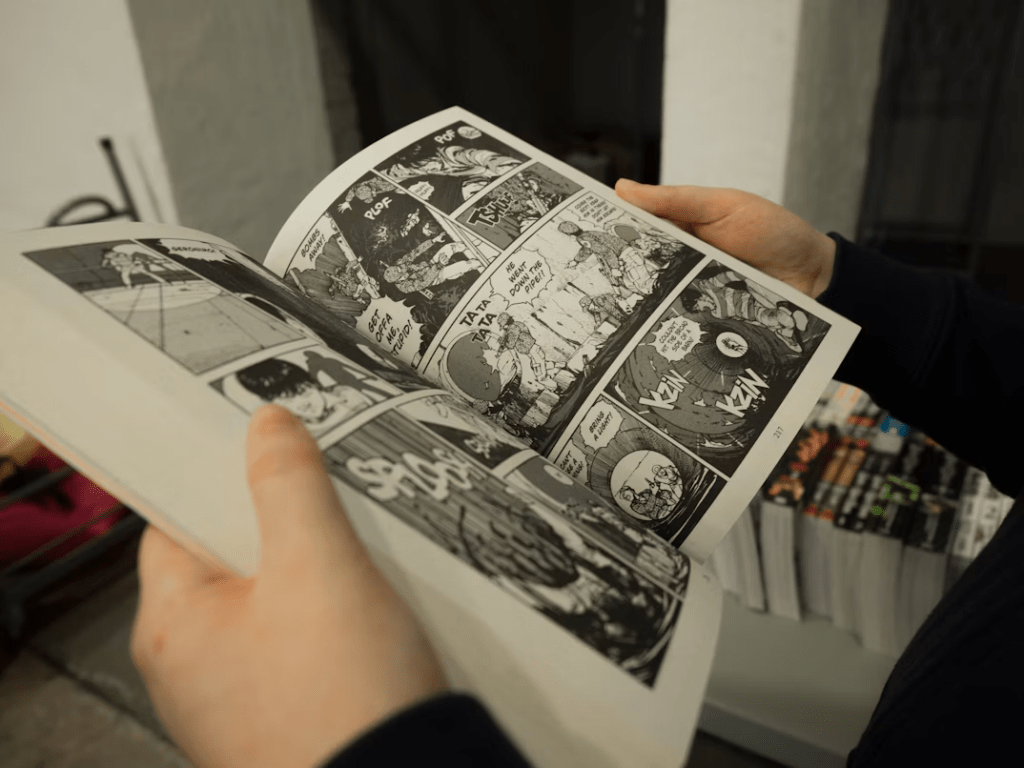
The same manga title may exist as a standard volume, first printing, store-exclusive edition, event release, signed copy, special-cover version, box set, or limited package containing merchandise. Two copies with nearly identical covers can have very different contents and resale demand.
Check identifying details such as:
- Publisher and publication date
- ISBN or JAN code, when available
- Printing or edition statement
- Cover artwork and logo placement
- Language and publication country
- Box, slipcase, booklet, disc, card, figure, poster, or other bonuses
- Store-exclusive stickers, certificates, serial numbers, or purchase benefits
Do not rely only on a seller’s use of terms such as “rare,” “first edition,” or “limited.” Compare the listing with the publisher’s archived announcement, retailer product pages, catalog records, or reliable photographs of a confirmed complete copy.
This step prevents a common pricing mistake: comparing an incomplete standard release with a complete limited edition, or comparing a later printing with a first printing. Even accurate sold-price data becomes misleading when the items are not the same version.
The term “out of print” also requires caution. A book may no longer be available from its original publisher while still being common on the secondhand market. Conversely, a product may appear scarce because sellers use different translated titles or list it only under its Japanese name. Search by the original title, creator, publisher, product code, and alternate spellings before deciding that supply is genuinely limited.
Build a Fair Price From Comparable Sales, Not Asking Prices
An active listing shows what a seller wants. It does not show what a buyer has accepted.
Begin with completed or sold transactions whenever the marketplace provides them. Compare several sales rather than relying on a single unusually high or low result. The strongest comparable sale should match as many of the following details as possible:
| Comparison factor | Why it matters |
|---|---|
| Exact edition or product code | Different releases may have different contents and demand |
| Completeness | Missing bonuses, boxes, or booklets can change the collectible value |
| Condition | A sealed copy should not be compared directly with a heavily handled copy |
| Sale date | Older prices may not reflect current availability or demand |
| Sale method | Auction results and fixed-price sales may behave differently |
| Seller and shipping country | Delivery costs and local availability affect what buyers will pay |
| Signed or authenticated status | A signature or certificate may require separate verification |
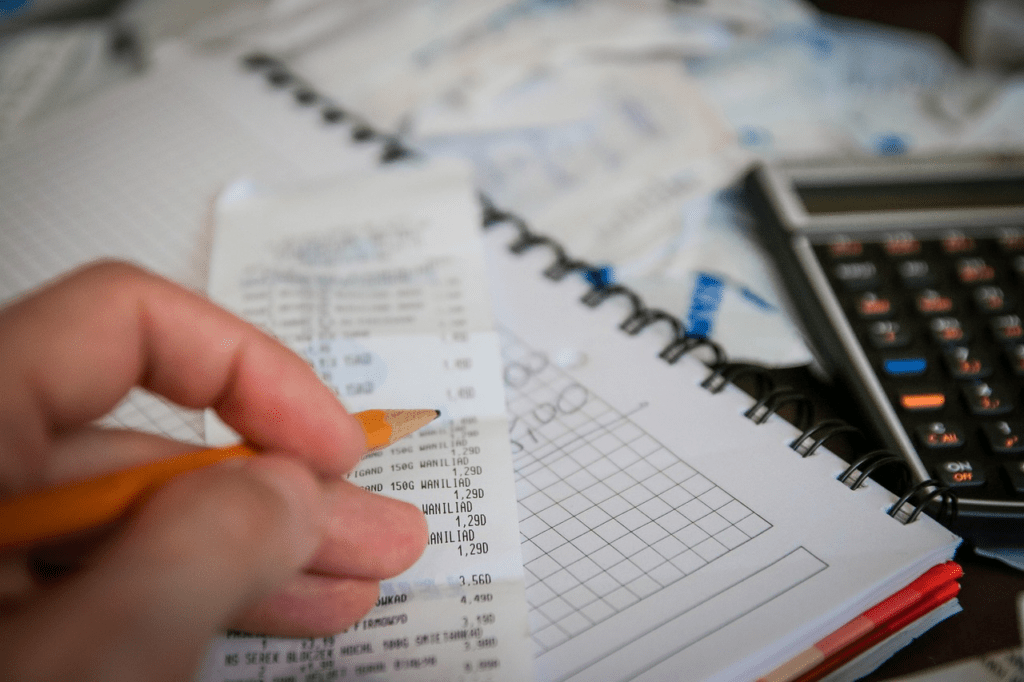
Once you find suitable comparisons, calculate a realistic range rather than one supposedly exact market price. For example, if several complete copies in similar condition sold near the same amount, that cluster is more useful than one unsold listing priced twice as high.
Treat unusual transactions carefully. A very low sale may involve damage, missing parts, an unclear listing title, or a seller who needed a quick sale. A very high result may include sealed condition, a signature, rare promotional material, or competitive bidding between two determined buyers.
Your maximum price should also include the full cost of ownership:
Item price + domestic shipping + international shipping + proxy fees + payment conversion costs + applicable tax or customs charges
A low-priced item from overseas may become more expensive than a local copy after these costs are added. The package may also be difficult or costly to return. For that reason, compare delivered prices, not just listing prices.
Market conditions can change when new stock appears, a reissue is announced, or public attention returns to a series. These events do not guarantee a predictable increase or decrease. Before paying a scarcity premium, check whether a reprint, revised edition, omnibus release, or official rerelease has been announced. Decide whether you specifically need the older edition or simply want access to the content.
Grade the Copy by Defects and Completeness
Condition words such as “good,” “excellent,” and “like new” are not sufficiently precise on their own. Different marketplaces and sellers apply them differently. Judge the copy from photographs and specific defect descriptions.
For manga and art books, inspect:
- Front and back covers
- Spine ends and spine alignment
- Corners and page edges
- Dust jacket, if originally issued
- Page yellowing or discoloration
- Foxing, stains, moisture damage, or odor
- Creases, tears, writing, stamps, stickers, and price labels
- Loose pages, split binding, or detached sections
- Ex-library labels or ownership marks
- Sun fading, particularly on the spine
Normal page aging is different from active damage. Evenly yellowed pages may be acceptable for an older reading copy, while moisture, mold, strong odor, stuck pages, or unstable binding can make an item unsuitable regardless of rarity.
For box sets and merchandise editions, inspect the packaging separately from the contents. Ask for photographs of box corners, seams, openings, plastic windows, trays, and internal supports. A book may be undamaged while its collectible outer package is crushed or torn.
Completeness must also be evaluated separately from physical condition. A clean item can still be incomplete. Confirm the presence of every component originally supplied with that particular release, including booklets, cards, discs, posters, stands, figures, storage boxes, certificates, and retailer bonuses when those bonuses are part of what you intend to collect.
An obi should be treated as one component, not as a universal price multiplier. Some buyers strongly prefer a copy with its original obi, especially for display, first printings, or editions where the band carries release-specific artwork or information. Other buyers place little value on it. Compare complete and incomplete sales for the specific item instead of applying a fixed discount.
If the seller does not mention a component, do not automatically assume either that it is included or that it is missing. Ask directly and request a single photograph showing all contents together.

Decide Whether the Listing Is Safe Enough to Buy
After identifying the edition and setting a price range, evaluate the transaction risk.
For an expensive purchase, stock photographs are not enough. Request current images of the actual item, including any known defects and a handwritten note with the seller’s name or date when authenticity or possession is uncertain.
Check whether:
- The photographs show the actual item from multiple angles
- The description identifies defects rather than using only a condition grade
- The seller answers specific questions consistently
- Feedback mentions accurate descriptions and protective packaging
- The platform provides buyer protection for items that are counterfeit, materially different, or incomplete
- The return terms remain practical for an international order
Limited merchandise may also be reproduced or counterfeited. Warning signs can include missing publisher marks, incorrect product codes, low-quality printing, inconsistent colors, unofficial packaging, copied stock images, or a price far below every credible comparison. No single sign proves that an item is counterfeit, so compare it with verified official images and documented release details.
Packaging matters because damage during shipping can erase the value of paying for a better copy. For books, ask for rigid protection against bending and moisture. Box sets and fragile limited editions may require a properly sized outer carton, internal padding, and protection around corners rather than only a plastic mailer.
A reader may reasonably choose a cheaper copy with yellowing or cosmetic wear if the pages are complete and readable. A display collector may prioritize an intact box, unfaded spine, and all original components. A buyer hoping to resell later should be more cautious because future demand and resale prices cannot be guaranteed.
Before paying, complete this final check:
- Verify the exact edition.
- Confirm every required component.
- Compare recent sales of similar copies.
- Grade defects from actual photographs.
- Calculate the delivered total.
- Review authenticity, packaging, returns, and buyer protection.
- Buy only if the result remains within the maximum price set for your collecting goal.
If one of these points cannot be confirmed, the safer decision is usually to request more evidence or wait for another listing rather than paying a collectible premium for an uncertain item.